
What Are Typical Costs for Glass Balcony Balustrades and Fittings?
The cost of glass balcony balustrades can vary significantly based on the type of system and materials used. On average, frameless systems may range from £250 to £450 per linear meter, while semi-frameless and framed options can cost between £150 to £350 per linear meter, including fittings. Prices can vary depending on glass thickness, type of fittings, and complexit
Glass balustrades are an elegant and modern solution for both residential and commercial spaces, providing safety without compromising aesthetics. This comprehensive guide will explore the various types of glass balustrade systems available in the UK, their components, installation processes, and compliance with building regulations. Homeowners and DIY enthusiasts often face challenges when selecting the right balustrade system, understanding installation requirements, and ensuring safety standards are met. By addressing these concerns, this article aims to empower readers with the knowledge needed to successfully undertake their glass balustrade projects. We will cover the main types of glass balustrades, how to choose the right components, the installation process, compliance with UK regulations, budgeting for projects, and maintenance tips.
What Are the Main Types of Glass Balustrades Available in the UK?
Glass balustrades come in various styles, each offering unique benefits and aesthetic appeal. Understanding the differences between these types is crucial for selecting the right system for your project. The primary types of glass balustrades include frameless, semi-frameless, and framed options, each designed to cater to different design preferences and safety requirements.
How Do Frameless, Semi-Frameless, and Framed Glass Balustrades Differ?
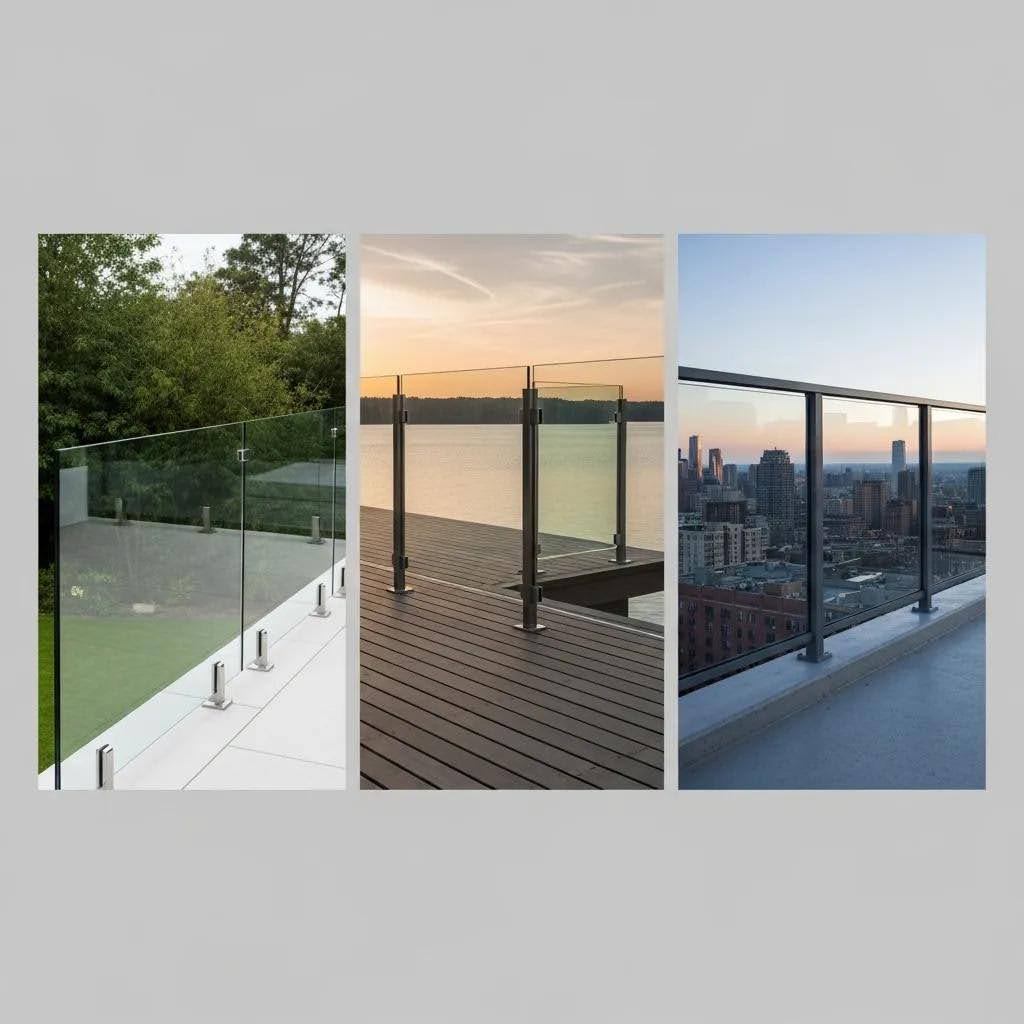
Frameless glass balustrades are characterized by their sleek, unobstructed views, as they utilize toughened glass panels secured with minimal hardware such as spigots or base shoe channels. This design creates a modern and elegant appearance, making it a popular choice for contemporary homes. Semi-frameless balustrades feature a combination of glass panels and metal supports, typically with a top rail and clamps, providing a balance between visibility and structural support. Framed glass balustrades, on the other hand, incorporate a more traditional design with visible frames that offer enhanced stability and support, making them suitable for various architectural styles.
Which Glass Balustrade Types Are Best Suited for DIY Installation?
For DIY enthusiasts, the best options are typically semi-frameless and framed glass balustrades. These systems are generally easier to install due to their more forgiving mounting processes and additional structural support. Frameless systems, while offering a sleek look, often require professional installation because of the precision needed in handling and fitting glass panels securely. Semi-frameless and framed options provide additional support, making them safer and more manageable choices for less experienced installers.
How to Choose the Right Glass Balustrade Components and Materials?
Selecting the appropriate components and materials is essential for ensuring the safety and durability of your glass balustrade system. Key considerations include glass thickness, fittings, and the quality of materials used in construction.
What Glass Thickness and Toughened Glass Panels Are Recommended?
For optimal safety and performance, it is recommended to use toughened glass panels with a minimum thickness of 12mm for residential applications. Thicker panels, such as 15mm or 17.5mm, may be necessary for higher balustrades or commercial installations. Toughened glass is designed to withstand impact and pressure, making it a reliable choice for balustrade systems. Laminated glass is also commonly used in balustrades to enhance safety by holding shards together if broken.
While laminated glass is valued for its safety benefits in holding shards, its fire safety implications, particularly in balcony balustrades, have been a subject of specific regulatory scrutiny in the UK.
Laminated Glass Balustrade Fire Safety & UK Regulations
Given the current regulatory framework in England that limits the use of laminated glass in balcony balustrades from a fire safety perspective despite its architectural benefits and structural safety, this study shows that there is no evidence that the use of laminated glass would constitute a fire hazard when used as glazed balcony balustrading.
Qualitative assessment of fire hazard posed by laminated glass balcony balustrades on fire spread, 2021
Which Balustrade Glass Fittings and Stainless Steel Components Ensure Safety?
When selecting fittings for your glass balustrade, it is crucial to choose high-quality stainless steel components that comply with UK safety standards. Look for fittings that are corrosion-resistant, typically grade 316 stainless steel, and designed to withstand the elements, ensuring long-lasting performance. Common fittings include clamps, spigots, base shoe channels, and handrails, which should all be compatible with the chosen glass thickness.
What Is the Step-by-Step DIY Glass Balustrade Installation Process?
Installing a glass balustrade can be a rewarding DIY project when approached methodically. Following a clear step-by-step process will help ensure a successful installation.
Which Tools and Safety Measures Are Needed for Installation?
Essential tools for installing a glass balustrade include a drill with appropriate masonry bits, level, measuring tape, spirit level, and safety gear such as gloves, goggles, and protective footwear. It is important to take safety precautions, including ensuring the work area is clear and stable, and using appropriate lifting techniques or assistance when handling heavy glass panels.
How to Troubleshoot Common Installation Challenges?
Common challenges during installation may include misalignment of panels, difficulty securing fittings, or issues with leveling. To troubleshoot these problems, double-check measurements, ensure all components are compatible, and consult installation guides or professional advice if needed.
What Are the UK Building Regulations and Compliance Requirements for Glass Balustrades?
Understanding UK building regulations is crucial for ensuring that your glass balustrade installation is safe and compliant. These regulations outline the necessary safety standards and requirements for balustrade systems.
How Do Glass Balustrade Systems Comply with UK Safety Standards?
Glass balustrades must comply with the Building Regulations 2010, specifically Approved Document K (Protection from falling, collision and impact), which specify requirements for structural integrity, safety, and accessibility. Compliance ensures that the balustrade can withstand the necessary load (typically a 0.74 kN/m linear load and a 1.0 kN concentrated load) and provides adequate protection for users. Glass used must be safety glass (toughened or laminated) to reduce injury risk if broken.
Further research emphasizes the critical role of design principles and rigorous testing in guaranteeing the structural integrity of glass balustrades, especially against dynamic impacts.
Glass Balustrade Structural Safety & Design Standards
The paper provides design principles and a review of existing standards regarding glass balustrades, with a special emphasis on dynamic loads. This contributes to the structural safety of fully-glazed balustrades subjected to soft-body impact.
Experimental and numerical assessment of structural behaviour of glass balustrade subjected to soft body impact, M Kozłowski, 2019
Opting for DIY installation can significantly reduce labor costs, allowing homeowners to allocate more of their budget towards high-quality materials. However, it is essential to factor in potential costs for tools, safety equipment, and any professional assistance needed during the installation process, especially for handling heavy glass panels safely.
How to Maintain and Troubleshoot Your Glass Balustrade System?
Regular maintenance is key to ensuring the longevity and safety of your glass balustrade system. Understanding how to care for your installation will help prevent common issues.
What Are Best Practices for Cleaning and Maintenance?
To maintain your glass balustrade, clean the panels regularly with a mild detergent and soft cloth to prevent the buildup of dirt and grime. Avoid abrasive cleaners that could scratch the glass surface. Additionally, inspect fittings and components periodically to ensure they remain secure and in good condition.
How to Identify and Fix Common Issues with Glass Balustrades?
Common issues with glass balustrades may include loose fittings, scratches on the glass, or signs of corrosion on metal components. Addressing these problems promptly by tightening fittings, replacing damaged panels, or treating corrosion will help maintain the integrity and appearance of your balustrade system.